

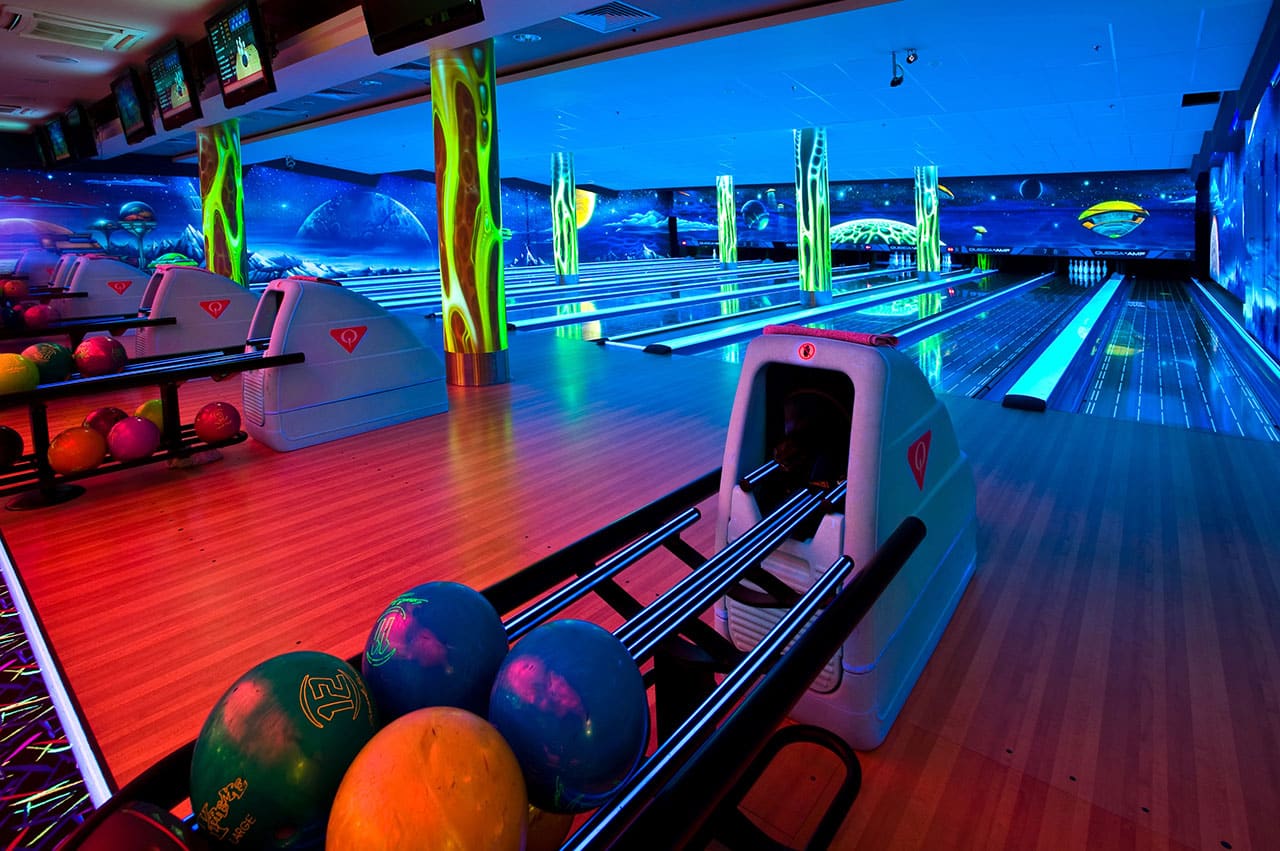
Opening a bowling alley is an exciting business venture that can be rewarding but complex. Before opening your doors, it is crucial to properly plan and consider startup factors from concept development through construction.
Bowling alleys have tremendous potential when executed correctly, but they require strategic planning long before the lanes are installed. This is true whether you are building a new center or modernizing an existing center. Modernization is the process of substantially renovating a traditional bowling alley to create a Bowling Entertainment Center (BEC) or Boutique Bowling Center.
A BEC includes an arcade and other amusement attractions, as well as improvements to the bowling experience, and improved food and beverage offerings. A Boutique Center has higher-end food and beverage, improvements to the bowling experience, and generally a heavy focus on adults and events. This article will focus on the BEC model, which is generally the best choice and where we focus our efforts.
1. Define Your Concept
Every successful bowling alley starts with a clear, well-developed concept. The first step to opening a bowling alley is researching and identifying the type of bowling alley you want to start, your target audience, and what attractions you want to offer.
Brand Identity
Bowling alleys can range from traditional to upscale and trendy. Think about whether you want the business to appear modern, upscale, retro, family-friendly, nightlife-driven, or a combination.
Deciding on the brand identity and atmosphere first will help you define your target audience and determine which additional offerings you want to integrate into the bowling alley space. A strong concept informs your layout, cost structure, and sets expectations for your revenue model from day one.
Target Audience
When you decide on the general brand and tone of your bowling alley and do the necessary market research, you can determine your bowling alley’s target audience. Once you do, you will be able to establish the entertainment offerings that fit in that demographic. Some target audiences to consider are:
- Families
- Young adults looking for nightlife
- League bowlers
- Corporate event and party business
Understanding the demographics of the surrounding community will be important to understanding your target audience and what is realistic. You may find that you adjust your brand as you learn more about your target audience. You can also adjust who you target based on the brand you want to have.
There is a give-and-take between the concept you want and what is best for your market. One way bowling centers fail is by building for too narrow a market, often based on the owner’s personal preferences rather than what the market will support.

Entertainment Offerings
After researching and deciding on your brand’s voice and target audience, the last step in your concept process is to identify any additional entertainment offerings. Most modern bowling businesses are hybrid family entertainment centers (FECs), so you can consider adding:
- Redemption arcades
- Bowling integrations like Spark from Brunswick
- Laser tag
- Virtual reality
- Mini golf
- Full-service dining or fast casual
- Bars, lounges, and social areas
- Private party rooms or private event space incorporating bowling lanes
2. Cost Analysis
During the exploratory phase of starting a bowling alley, considering the financial strains of launching and maintaining your family entertainment center will guide you every step. The key to success is knowing what you can realistically afford and ensuring your concept aligns with your budget.
Some cost factors to establish include real estate, attractions and equipment, merchandise, and operating capital. Construction costs are very high; potential owners are often shocked by the cost of building their project. It’s best to understand these costs in a general way before continuing the process.
Real Estate / Location Considerations
- Do you want to buy a building or land, lease, or purchase an existing business?
- Will the space be turnkey, or will there be renovations?
- Do you have an appropriate parking lot, or will one need to be built?
- Are there the necessary electrical, plumbing, etc.?
- Will the local government support your project, especially if you need special use permits or other cooperation from the local government?
Attractions and Equipment
The cost of your attractions and equipment will depend on the offerings you choose. For the bowling alley alone, you will need to purchase and build:
- Lane installations
- Technology and scoring systems
- Pinsetters or string machines
- Furniture
- Shoes and bowling balls
Food and Beverage
When deciding whether to offer basic concessions or a more upscale dining experience at your bowling alley, you will need to break down the costs for each option. Some items to think about include:
- Kitchen equipment: These can range from the low six figures to well over a million dollars, depending on the concept
- Bar installations
- Dining furniture
Operating Capital
Along with start-up costs, you will need to account for day-to-day operational expenses such as staffing, training, inventory, and a cash buffer for the first several months.

3. Create a Business Plan or Purchase a feasibility study
A strategic and thoughtful business plan will show a strong foundation to potential lenders, investors, and development partners. Your business plan should act as a roadmap that addresses:
- Market research and demographic analysis
- Competitive landscape
- Pricing strategy
- Revenue projections by department (bowling, arcade, F&B, events)
- Cost projections and funding needs
- Staffing model and labor assumptions
- Operational systems and service standards
4. Choose Your Location and Start Construction
Once you have established your vision and a realistic budget, you will be able to scout and choose your bowling alley location and start construction.
Key Location Considerations:
- Size requirements (typically 25,000 – 50,000+ square feet for FECs)
- Ceiling heights, structural layout, and column spacing
- Parking and traffic access
- Visibility and proximity to population centers
- Zoning and permitting requirements
Design & Construction
Once your location is secured:
- Develop architectural plans based on your vision.
- Integrate bowling equipment requirements early.
- Coordinate mechanical, electrical, and acoustics.
- Plan your layout for traffic flow, guest experience, and operational efficiency.
- Develop a construction timeline with clear milestones.
Bowling facilities have unique structural and mechanical needs, so proper planning prevents costly rework later.
5. Prepare for Operations
Before opening your doors and after completing the necessary renovations, you’ll need to establish the operational backbone of your business to ensure a smooth grand opening.
Staffing
Hire and train key positions, like:
- Managers
- Front desk staff
- Mechanics/technicians
- Bartenders and servers
- Event coordinators
- Arcade and attractions attendants
Systems
Implement any systems needed for day-to-day operations:
- POS and scoring integration
- Kitchen workflow systems
- Safety protocols
- Party booking software
- Maintenance and lane-care procedures
Pre-Opening Testing
Run soft openings, stress tests, staff training events, and a soft opening to work out operational issues before the grand opening.

6. Launch a Strategic Marketing Plan
A clear marketing strategy will drive early excitement and ongoing business. A thoughtful marketing plan is crucial to building momentum from day one and maintaining steady growth over time.
Pre-launch Marketing
- Social media account creation and teasers
- Community outreach
- Influencer and media previews
- Founding member or early-bird programs
Post-launch Marketing
- Birthday party promotions
- League development programs
- Corporate event outreach
- Ongoing social media content
- Seasonal campaigns and special events
FAQ: Common Questions About Opening a Bowling Alley
How much does it cost to build a bowling alley?
Costs can vary dramatically based on concept and location, but full-scale bowling-anchored FECs require several million dollars in development investment, ranging from $5 – $30+ million. The total depends on square footage, attractions, equipment choices, construction type, renovations needed, and the market.
Are bowling alleys profitable?
Yes, when properly planned and operated. Modern bowling entertainment centers derive revenue from multiple streams (bowling, arcade, food & beverage, bar sales, events), creating a diversified and resilient model. Profitability depends heavily on concept execution, location, and operational management.
What licenses and permits are required to open a bowling alley?
Requirements vary by location but often include business licenses, zoning approvals, building permits, health department approvals, arcade-specific approvals, and liquor licenses. Early coordination with local authorities helps prevent delays.

How long does it take to open a bowling alley?
From initial planning to grand opening, most bowling alley projects take between 12 and 24 months. This timeline includes concept development, financing, site selection, design, permitting, construction, equipment installation, and staff training.
How to Open a Bowling Alley: Next Steps
Launching a successful bowling alley begins long before construction. Proper planning, feasibility analysis, and realistic budgeting are essential to building a business that thrives for years to come.
If you’re considering developing a bowling family entertainment center, Pinnacle can guide you through every step of the process. Contact us today to get started.